

Planning to Buy Cabinets in Tempe? Here’s What You Should Know First
Buy cabinets for your home renovation and you’ll quickly discover that not all cabinetry is created equal. Many homeowners in Tempe assume bathroom cabinets and kitchen cabinets are interchangeable. After all, they both store items, support countertops, and define the look of a space. But making the wrong choice can lead to warping, moisture damage, wasted money, or even code compliance issues.
In Arizona’s dry climate—especially here in Tempe—heat, ventilation, and water exposure play a major role in how cabinets perform. Understanding the structural, material, and functional differences helps you make smarter decisions before walking into a cabinet store or browsing a cabinet showroom. This guide breaks it down clearly so you can invest confidently.
Why Bathroom and Kitchen Cabinetry Are Not the Same
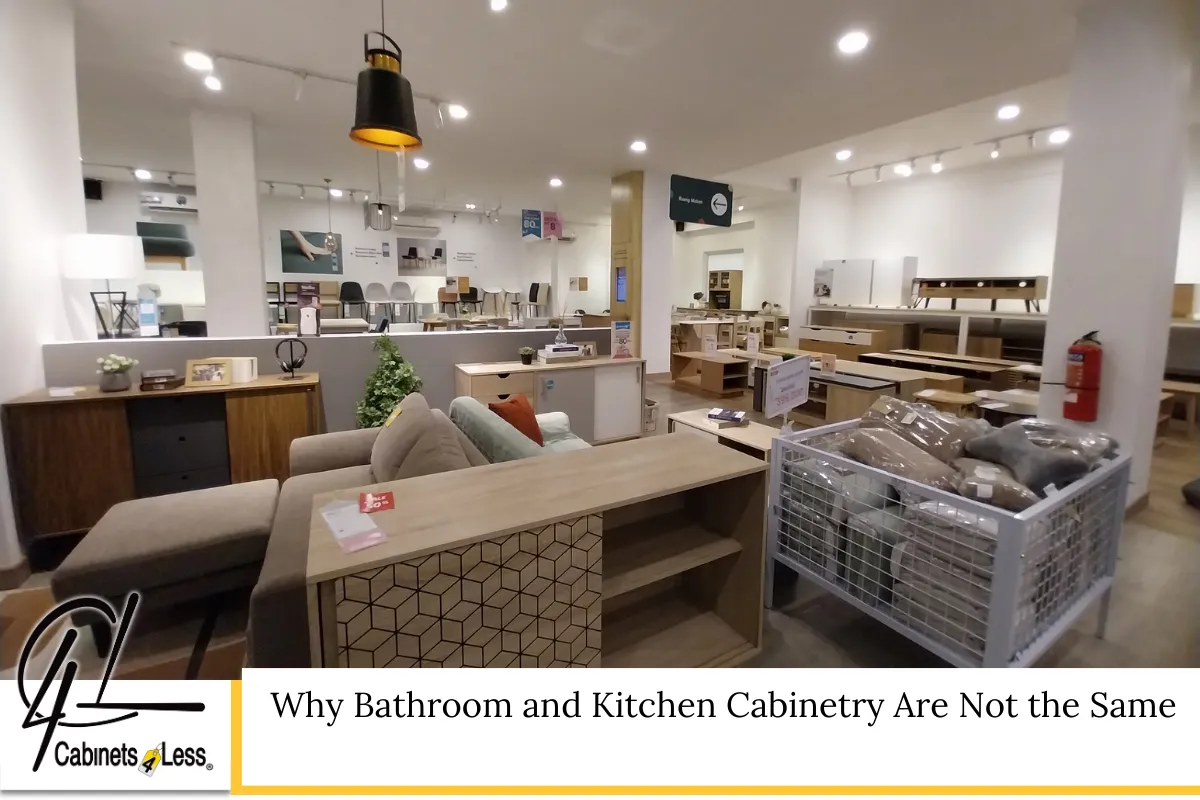
At first glance, both types of cabinetry may look similar. They can share styles, finishes, and even cabinet doors that appear identical. However, their purpose and construction vary in important ways.
Environmental Exposure Differences
Bathrooms deal with:
- High humidity from showers
- Direct water splashes near vanities
- Frequent temperature shifts
Kitchens handle:
- Steam from cooking
- Grease buildup
- Heavy daily traffic
- Greater weight loads (dishes, appliances)
Because of these environmental factors, the materials and internal structure often differ.
Weight-Bearing Capacity
Kitchen cabinets are designed to carry significant weight. Wall cabinets hold dishes and glassware. Base cabinets support heavy countertops such as quartz, granite, or solid surface materials. They also house sinks, garbage disposals, and sometimes appliances.
Bathroom cabinets, particularly vanities, usually support lighter loads. They may hold personal care items, towels, or plumbing fixtures, but not the same sustained weight as kitchen cabinetry.
Material Selection: Moisture Resistance vs. Structural Strength
Material choice is one of the biggest differences between bathroom cabinets and kitchen cabinets.
Core Materials
Common cabinet box materials include:
- Plywood
- MDF (medium-density fiberboard)
- Particleboard
- Solid wood
In Tempe’s climate, plywood remains a preferred option because it resists warping better than particleboard under fluctuating humidity levels. Bathrooms, even in Arizona’s dry heat, experience concentrated moisture during showers.
Kitchen cabinetry may prioritize thicker plywood or reinforced framing due to structural demands.
Cabinet Doors and Finish Durability
Cabinet doors in kitchens often require finishes that resist grease and frequent cleaning. Painted shaker styles, thermofoil, and wood veneer are common choices.
Bathroom cabinet doors need moisture-resistant finishes to prevent swelling near sinks. In a well-ventilated bathroom, high-quality finishes perform well, but ventilation fans are critical.
Arizona building standards require proper bathroom ventilation under statewide building codes adopted by Tempe, which typically follow versions of the International Residential Code (IRC). While a cabinet shop doesn’t handle ventilation directly, homeowners must ensure moisture control systems are in place to protect cabinetry longevity.
Size and Layout Considerations
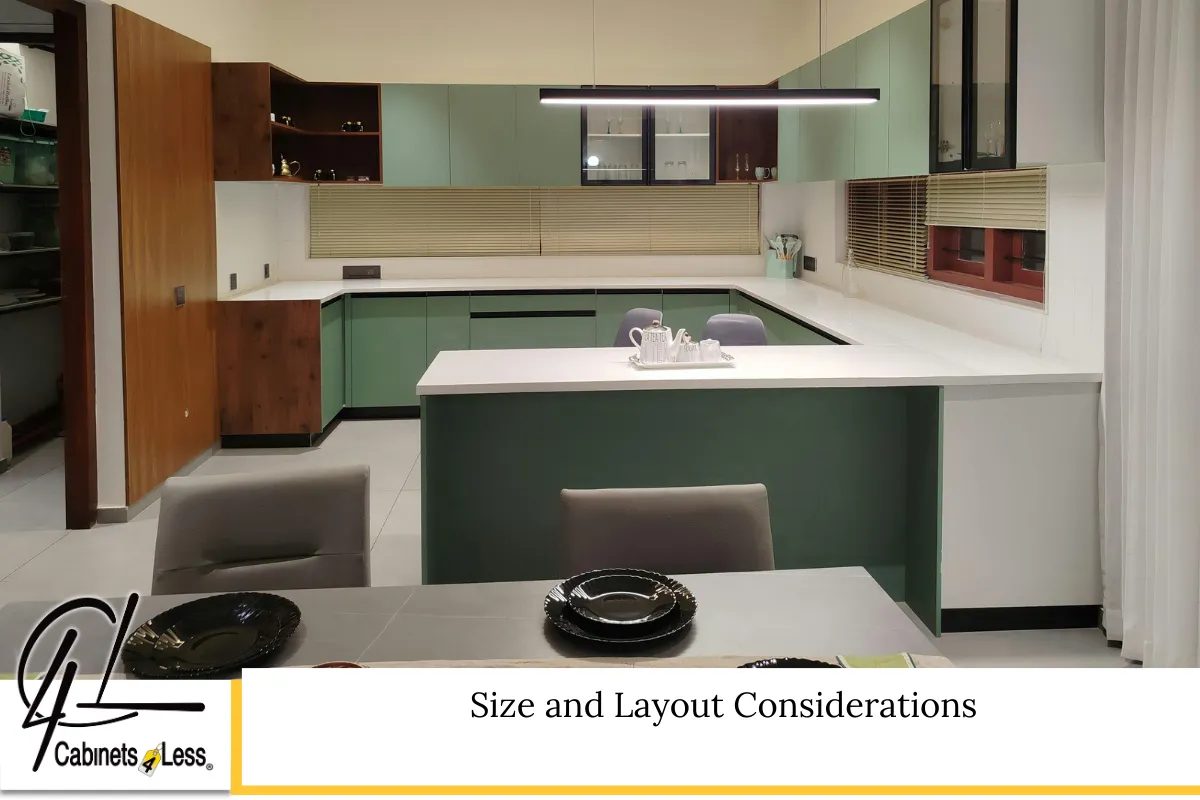
Kitchen Cabinets: Modular and Extensive
Kitchen cabinets are typically:
- 12 to 24 inches deep (base)
- 30 to 42 inches tall (wall)
- Designed for modular layouts
They include specialty units such as:
- Lazy Susans
- Pull-out pantry systems
- Appliance panels
- Trash pull-outs
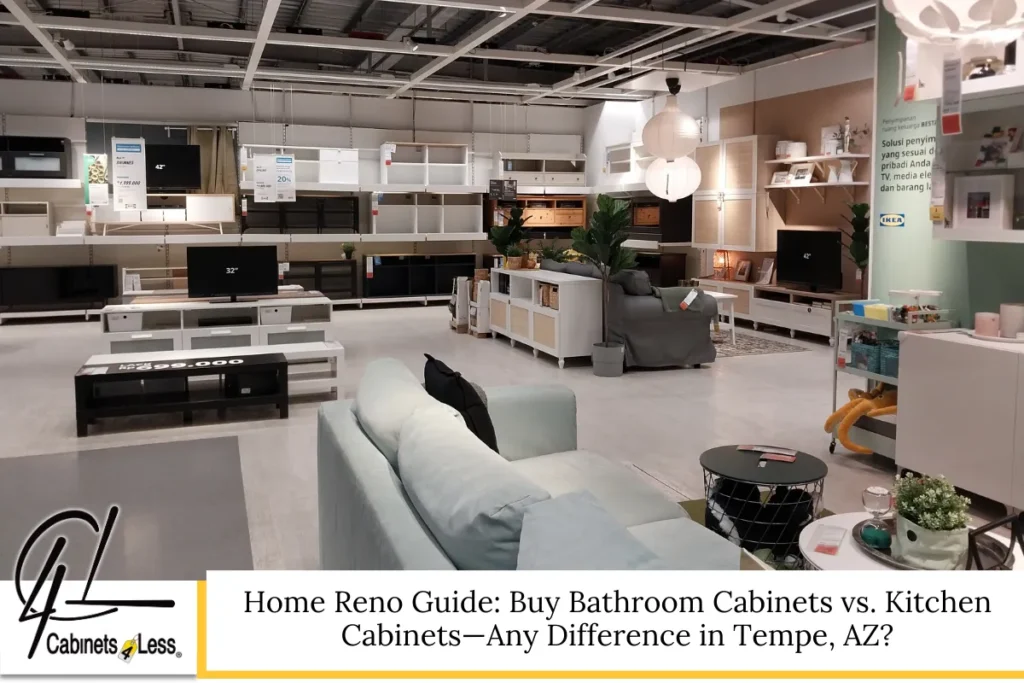
A cabinet showroom often displays full kitchen setups because layout planning is more complex.
Bathroom Cabinets: Compact and Space-Conscious
Bathroom cabinets are generally smaller and narrower. Standard vanity depths range from 18 to 21 inches. In guest bathrooms or powder rooms, space limitations are even more noticeable.
Tempe homes, especially older properties, may have compact bathrooms. Custom sizing from a cabinet shop may be necessary if walls are not perfectly square or plumbing locations are fixed.
Plumbing and Code Considerations in Tempe, AZ
While buying cabinets itself does not require a permit, cabinet modifications tied to plumbing or structural changes might.
When Permits May Be Required
In Tempe, permits may be necessary if:
- Plumbing lines are relocated
- Electrical outlets are added or moved
- Structural walls are altered
Kitchen remodels are more likely to trigger permit requirements than simple bathroom vanity replacements.
Before you buy cabinets, confirm whether your renovation scope includes plumbing adjustments. Arizona law requires licensed professionals for plumbing work. A cabinet store sells cabinetry, but homeowners should coordinate separately with contractors when required.
Storage Needs: Function Drives Design
Function is where the biggest difference appears.
Kitchen Storage Demands
Kitchen cabinets must accommodate:
- Cookware
- Utensils
- Small appliances
- Pantry items
- Cleaning supplies
That means deeper drawers, adjustable shelving, and reinforced hinges.
Soft-close hinges and full-extension drawer slides are common upgrades in kitchen cabinetry due to heavy usage.
Bathroom Storage Priorities
Bathroom cabinets focus on:
- Personal care products
- Towels
- Cleaning supplies
- Hair tools
Many vanities include sink cutouts that reduce interior space. Creative storage solutions like drawer organizers and vertical partitions help maximize smaller cabinet footprints.
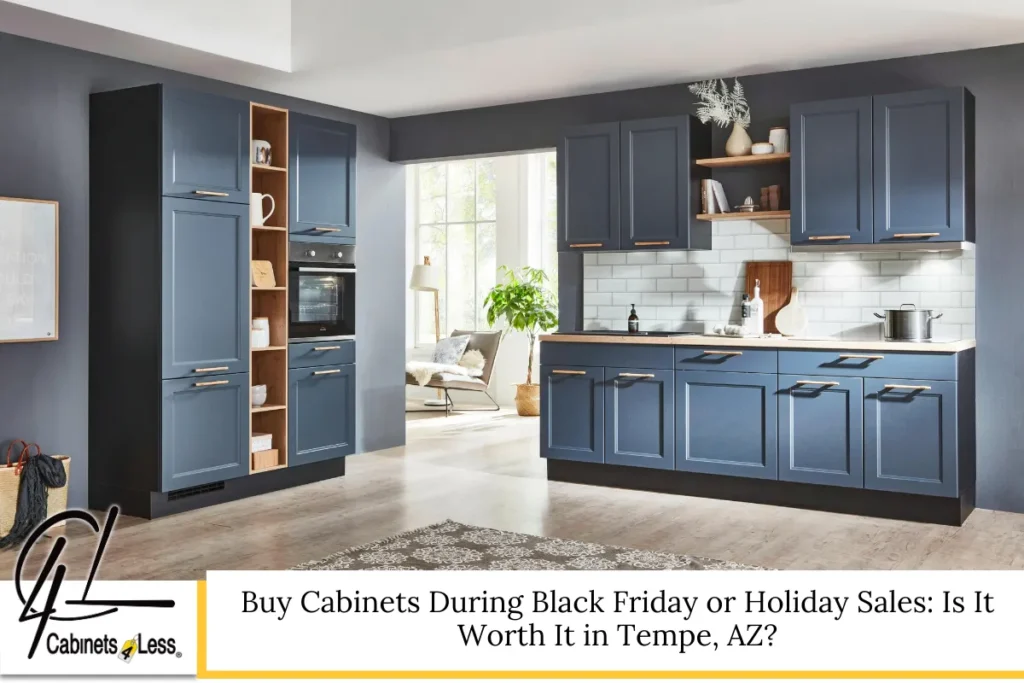
Read Buy Cabinets During Black Friday or Holiday Sales: Is It Worth It in Tempe, AZ?
Cost Differences Between Bathroom and Kitchen Cabinets
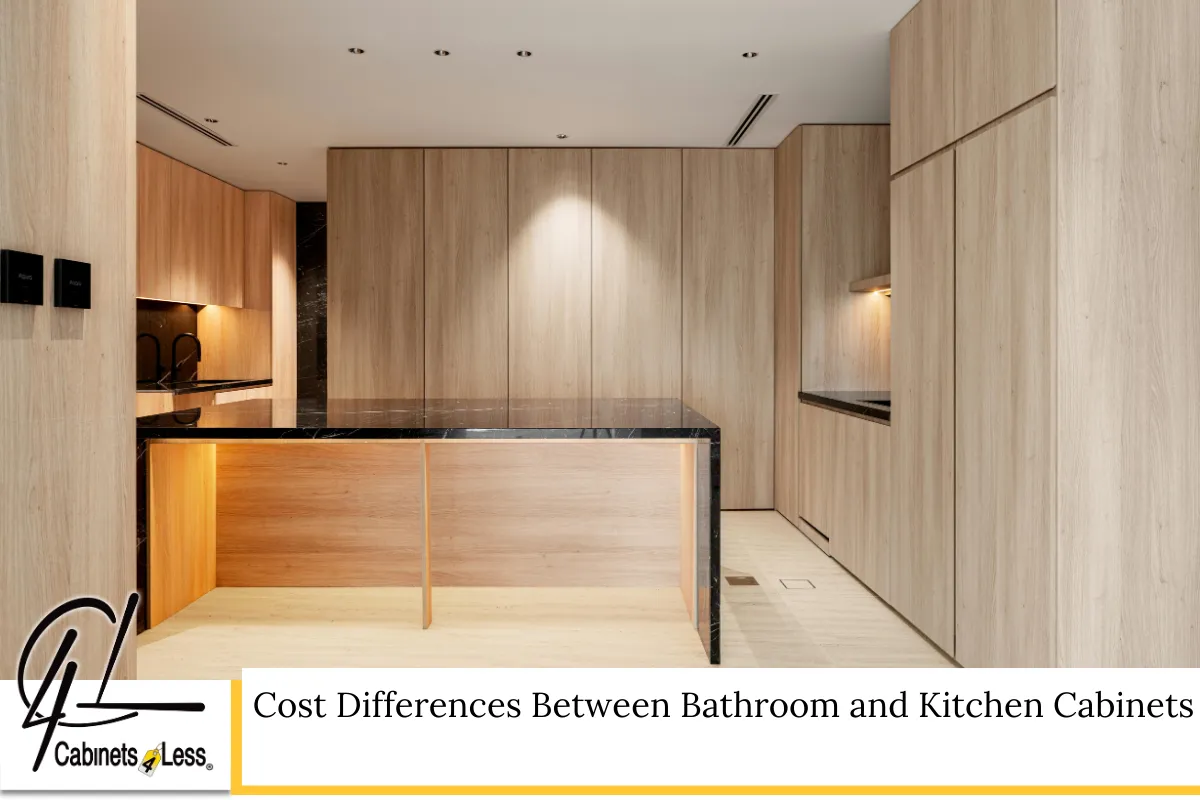
Pricing varies widely based on materials, brand, and customization level.
Kitchen Cabinets
Kitchen cabinetry typically represents:
- 30–40% of a total kitchen remodel budget
- Higher material and labor investment
- Larger quantity of units
Because kitchens require more cabinets overall, the total investment is significantly higher.
Bathroom Cabinets
Bathroom cabinetry usually costs less due to:
- Fewer units
- Smaller footprint
- Simpler configurations
However, custom bathroom vanities can rival kitchen cabinetry pricing if built with premium hardwood or specialty finishes.
In Tempe, homeowners often compare big-box retailers with local cabinet shop options. While stock options may appear affordable upfront, higher-quality cabinetry may offer better longevity in Arizona’s climate.
Can You Use Kitchen Cabinets in a Bathroom?
Technically, yes—but with considerations.
Situations Where It Works
- Converting a base kitchen cabinet into a custom vanity
- Using upper kitchen cabinets for extra bathroom storage
- Large master bathrooms with expansive layouts
Potential Drawbacks
- Standard kitchen depth may overpower a small bathroom
- Moisture exposure may damage cabinets without proper sealing
- Plumbing cutouts may require modification
If you plan to repurpose kitchen cabinets in a bathroom, ensure moisture-resistant finishes and proper ventilation are in place.
Can Bathroom Cabinets Work in a Kitchen?
This is more difficult.
Bathroom cabinets:
- Are often too shallow
- Lack weight-bearing capacity
- May not support stone countertops
For safety and longevity, kitchen cabinets should meet structural expectations. Installing lighter vanity cabinetry in a kitchen environment can lead to sagging shelves and hinge failure over time.
Climate Factors Unique to Tempe, Arizona
Tempe’s desert environment presents unique considerations.
Heat and Dry Air
Extreme summer heat can cause:
- Wood expansion and contraction
- Finish fading near windows
- Adhesive weakening in lower-quality products
Quality cabinetry with durable finishes and stable core materials performs better long term.
Seasonal Monsoon Moisture
Although Arizona is dry most of the year, monsoon season brings humidity spikes. Bathroom cabinets in poorly ventilated spaces may absorb moisture.
When visiting a cabinet showroom, ask about materials rated for fluctuating humidity levels.
Style Trends in Tempe Homes
Current cabinetry trends include:
- Shaker-style cabinet doors
- Flat-panel modern designs
- White and light gray finishes
- Natural wood tones
- Matte black hardware
Kitchen cabinets often feature two-tone combinations, while bathroom cabinets lean toward floating vanities for a modern look.
Homeowners seeking resale value often prioritize cohesive cabinetry styles throughout the home.
Custom vs. Stock Cabinets: Which Is Better?
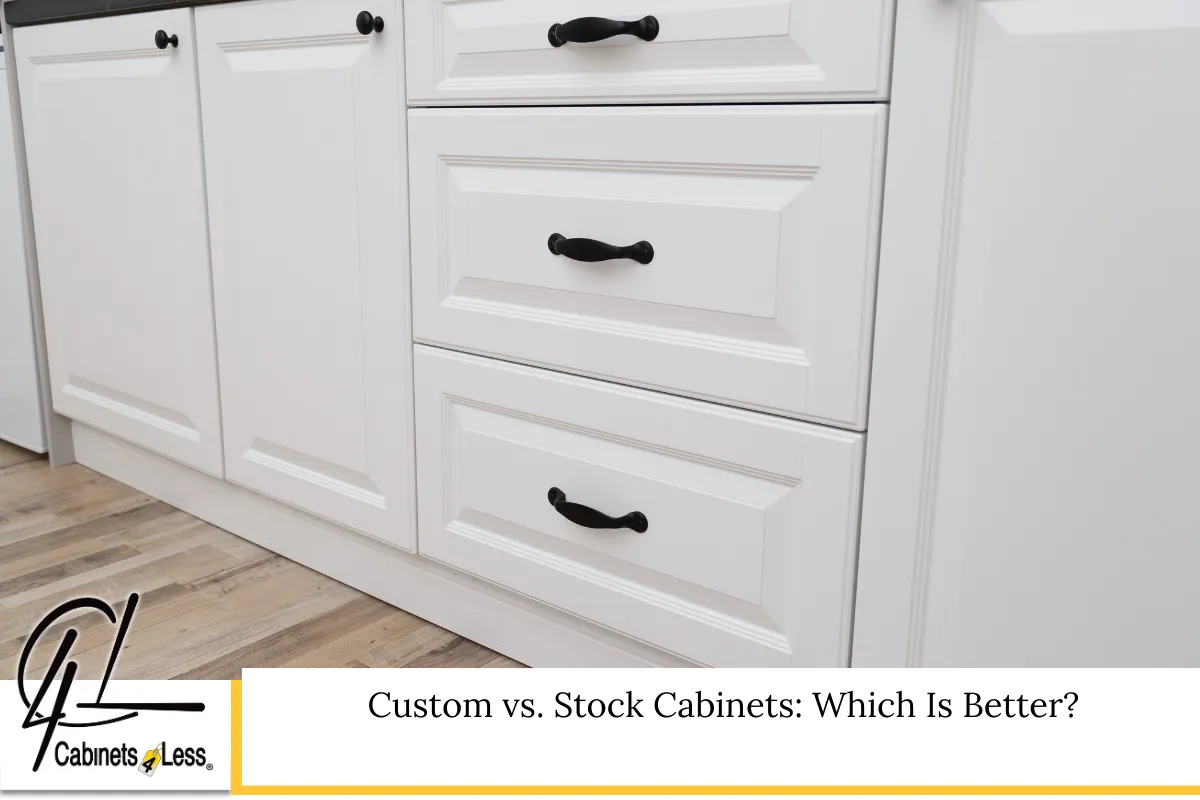
Stock Cabinets
Pros:
- Lower upfront cost
- Faster availability
- Standard sizing
Cons:
- Limited customization
- May not fit irregular layouts
Semi-Custom and Custom Cabinetry
Pros:
- Tailored dimensions
- Material upgrades
- More finish options
Cons:
- Higher cost
- Longer lead times
If your Tempe home has non-standard wall dimensions or unique plumbing placement, custom solutions may prevent costly retrofits.
How to Choose the Right Cabinet Store in Tempe
When evaluating a cabinet store or cabinet showroom, look for:
- Transparent pricing
- Material samples
- Displayed cabinetry setups
- Knowledge of Arizona building standards
- Clear warranty information
A reputable cabinet shop should explain differences between bathroom cabinets and kitchen cabinets without pushing unnecessary upgrades.
Final Take: Making the Right Choice for Your Renovation
Bathroom cabinets and kitchen cabinets may look similar, but their purpose, construction, and performance expectations differ significantly. Kitchens demand structural strength and storage capacity. Bathrooms require moisture resistance and space efficiency.
In Tempe, climate conditions and local building requirements add another layer of consideration. Before you buy cabinets, evaluate how the space will be used, what materials perform best in Arizona’s environment, and whether plumbing or electrical changes require permits.
Choosing the right cabinetry protects your investment and ensures long-term performance. A well-informed decision today prevents costly replacements tomorrow.
Buy Cabinets in Tempe, AZ – C4L Cabinetry
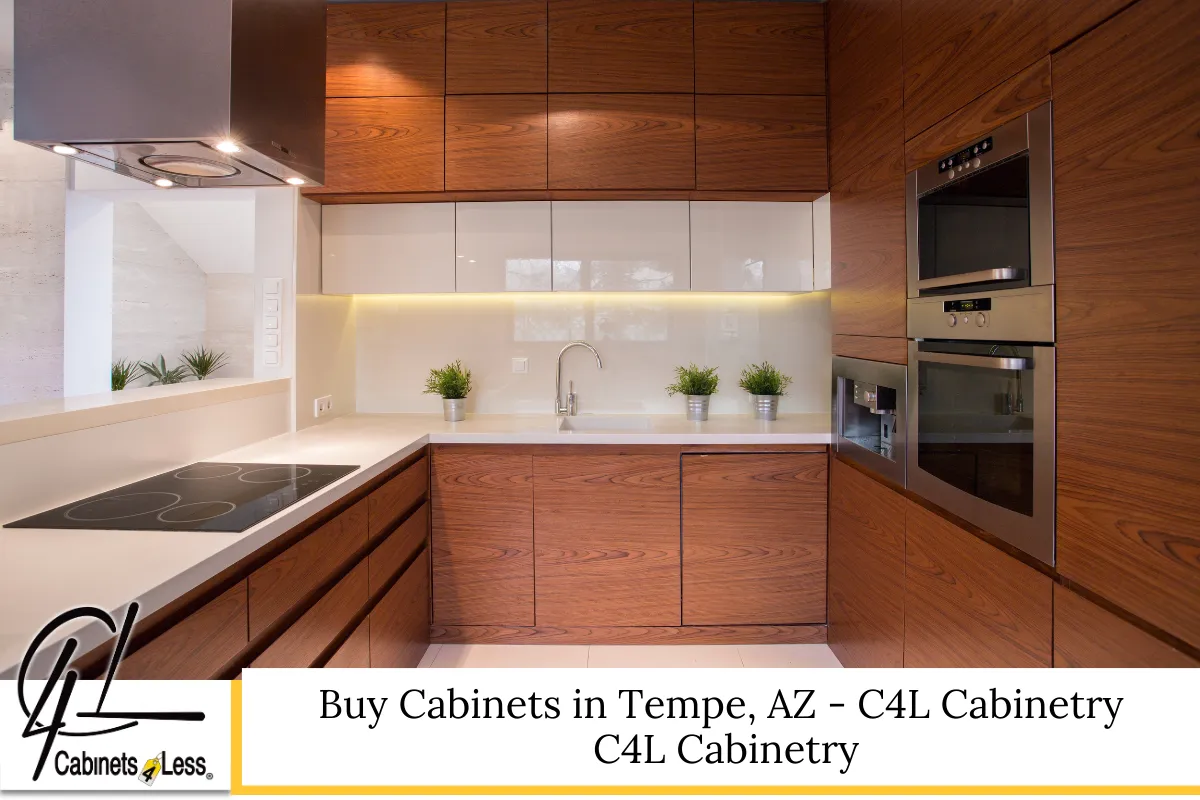
At C4L Cabinetry, we help homeowners buy cabinets with confidence. Our cabinet showroom in Tempe, Arizona features a wide range of kitchen cabinets and bathroom cabinets designed for durability in our desert climate. We guide you through material options, cabinet doors, finishes, and layout considerations so your cabinetry fits your space and lifestyle.
As a trusted cabinet store serving Tempe and surrounding areas, we focus on quality, value, and transparency. Whether you’re upgrading a single vanity or planning a full kitchen remodel, we help you compare options clearly. Call us at (480) 758-5829 or fill out our contact form to explore cabinetry solutions that match your vision and budget. Let C4L Cabinetry be your local partner when you’re ready to buy cabinets.
Frequently Asked Questions
1. How long do kitchen and bathroom cabinets typically last in Arizona?
High-quality kitchen cabinets and bathroom cabinets can last 20 to 30 years when properly maintained. In Arizona, dry heat can actually extend cabinet life compared to humid regions, provided materials are stable and well-sealed. However, direct sun exposure and monsoon humidity fluctuations may affect lower-grade products. Using durable finishes and ensuring proper bathroom ventilation are key factors. Regular cleaning, avoiding excessive water contact, and tightening hardware over time can significantly extend the lifespan of cabinetry in Tempe homes.
2. Are there specific materials better suited for desert climates?
Yes. Plywood cabinet boxes tend to perform better than particleboard in fluctuating humidity conditions. Solid wood cabinet doors are durable but should be properly sealed to prevent expansion and contraction. Thermofoil options can work well if high-quality adhesives are used. In desert climates like Tempe, UV-resistant finishes are also important to prevent discoloration near windows. When visiting a cabinet showroom, ask about materials tested for temperature variation and moisture exposure.
3. Does replacing cabinets increase home value in Tempe?
Upgrading kitchen cabinets often provides one of the highest returns on investment in home remodeling. Updated cabinetry enhances visual appeal, functionality, and resale value. Bathroom cabinets also add value, particularly in master bathrooms. Buyers in the Tempe market often prioritize modern finishes, soft-close hardware, and cohesive design. While exact ROI varies, updated cabinetry can significantly improve buyer perception and listing competitiveness.
4. What warranties should I look for when buying cabinets?
Most reputable cabinet stores offer manufacturer warranties ranging from one year to limited lifetime coverage. Look for warranties covering structural integrity, hardware, and finish defects. Read the fine print to understand moisture limitations and installation requirements. A strong warranty reflects confidence in craftsmanship. Always request written documentation before purchase and confirm what actions may void coverage.
5. How do I prepare my home before new cabinets arrive?
Before new cabinetry delivery, clear out existing cabinets completely. If replacing old units, ensure removal is completed and walls are inspected for damage. Confirm plumbing and electrical lines are positioned correctly if modifications were made. Measure doorways and hallways to ensure smooth cabinet transport. Preparing the space in advance prevents delays and protects your new investment.
Disclaimer: This article is for informational purposes only and does not constitute legal, construction, or building code advice. Always consult licensed professionals and verify local Tempe, Arizona regulations before making structural, plumbing, or electrical modifications.