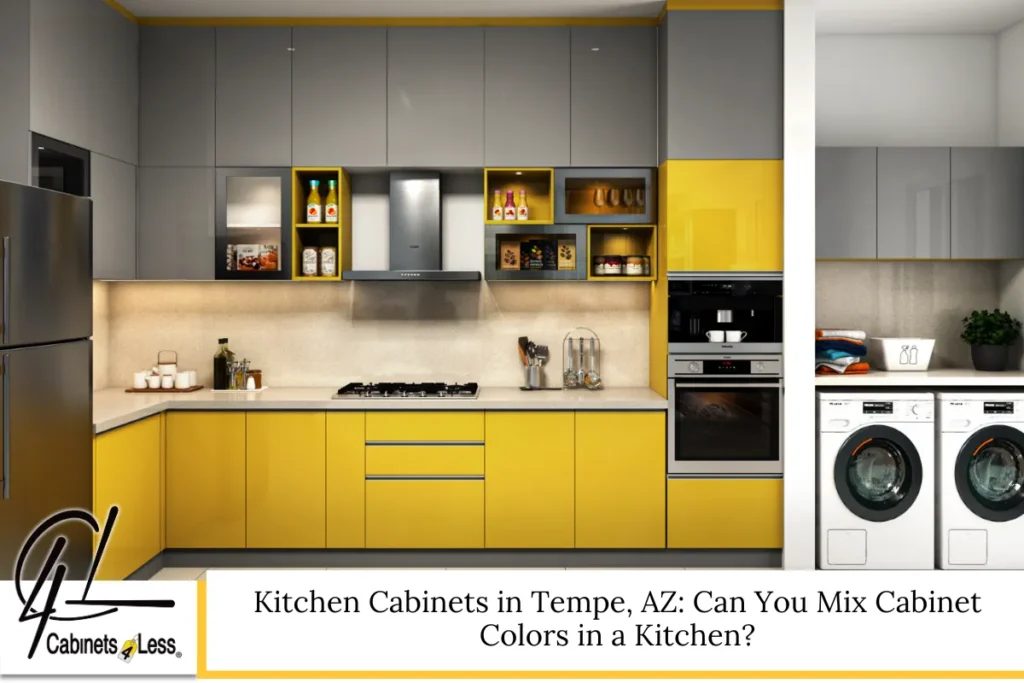


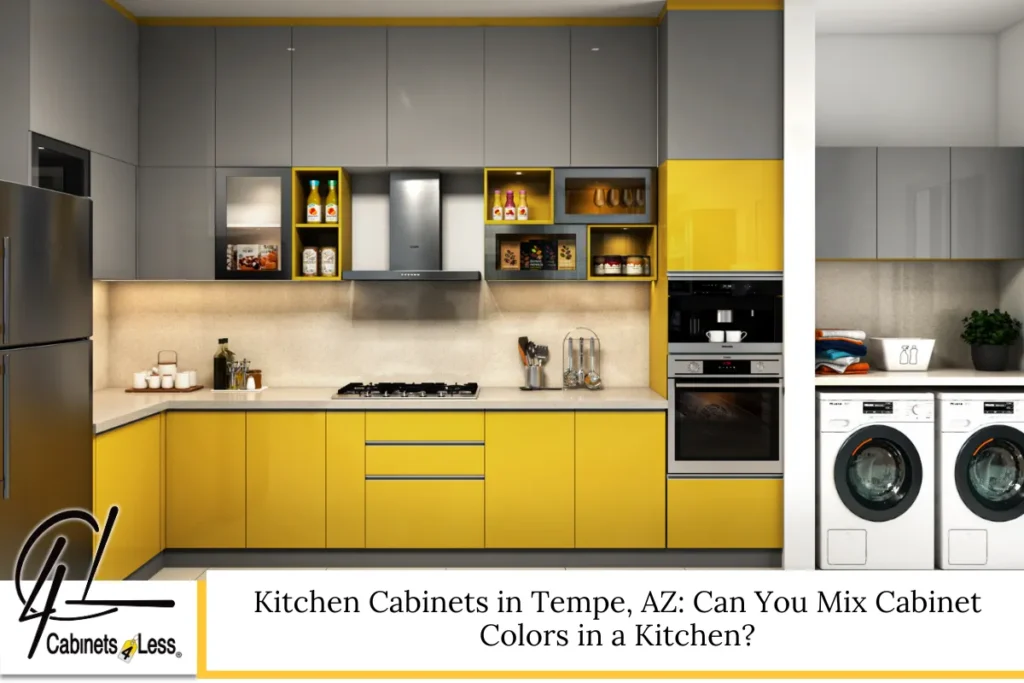
A Smart Design Question Homeowners Are Asking More Than Ever
Kitchen Cabinets in Tempe, AZ are no longer limited to a single color or finish, yet many homeowners still worry that mixing cabinet colors might look chaotic, dated, or risky. That hesitation often leads to safe but uninspired kitchens that don’t reflect personal style or modern design trends. The frustration grows when homeowners see beautiful two-tone kitchens online but feel unsure how to achieve the same balance in their own space. The good news is that mixing cabinet colors is not only acceptable—it’s one of the most effective ways to add depth, contrast, and visual interest to kitchens of all sizes. When done thoughtfully, mixed-color kitchen cabinetry can elevate a kitchen’s function and style while increasing long-term appeal.
Why Mixed Cabinet Colors Are Defining Modern Kitchens
Kitchens have evolved from purely functional rooms into design-forward gathering spaces. As open floor plans became common, homeowners began seeking cabinetry that complements surrounding living areas rather than blending into the background. Mixing cabinet colors allows kitchens to feel intentional and layered rather than flat.
Designers favor this approach because it introduces contrast without overwhelming the space. Lighter tones can keep a kitchen airy, while darker shades ground the room and add sophistication. Instead of relying solely on countertops or backsplashes for interest, kitchen cabinets themselves become a focal point.
Another reason mixed cabinetry works so well is flexibility. Homeowners can highlight specific zones—such as cooking areas, storage walls, or islands—without committing to a single dominant color throughout the kitchen.
Understanding the Psychology Behind Cabinet Color Choices
Color influences how a kitchen feels just as much as how it looks. Warm tones often make kitchens feel welcoming, while cool hues create a calm, clean environment. Mixing cabinet colors allows homeowners to balance these emotional responses within the same space.
Light-colored kitchen cabinets reflect natural and artificial light, making kitchens feel larger and brighter. Darker cabinetry adds depth and visual weight, preventing a kitchen from feeling sterile. When combined intentionally, these elements create harmony rather than contrast for contrast’s sake.
Neutral shades remain popular because they age well, but subtle color variations—such as pairing warm whites with natural wood tones—add richness without overwhelming the senses.
Common Ways Homeowners Mix Kitchen Cabinet Colors Successfully
Upper and Lower Cabinet Contrasts
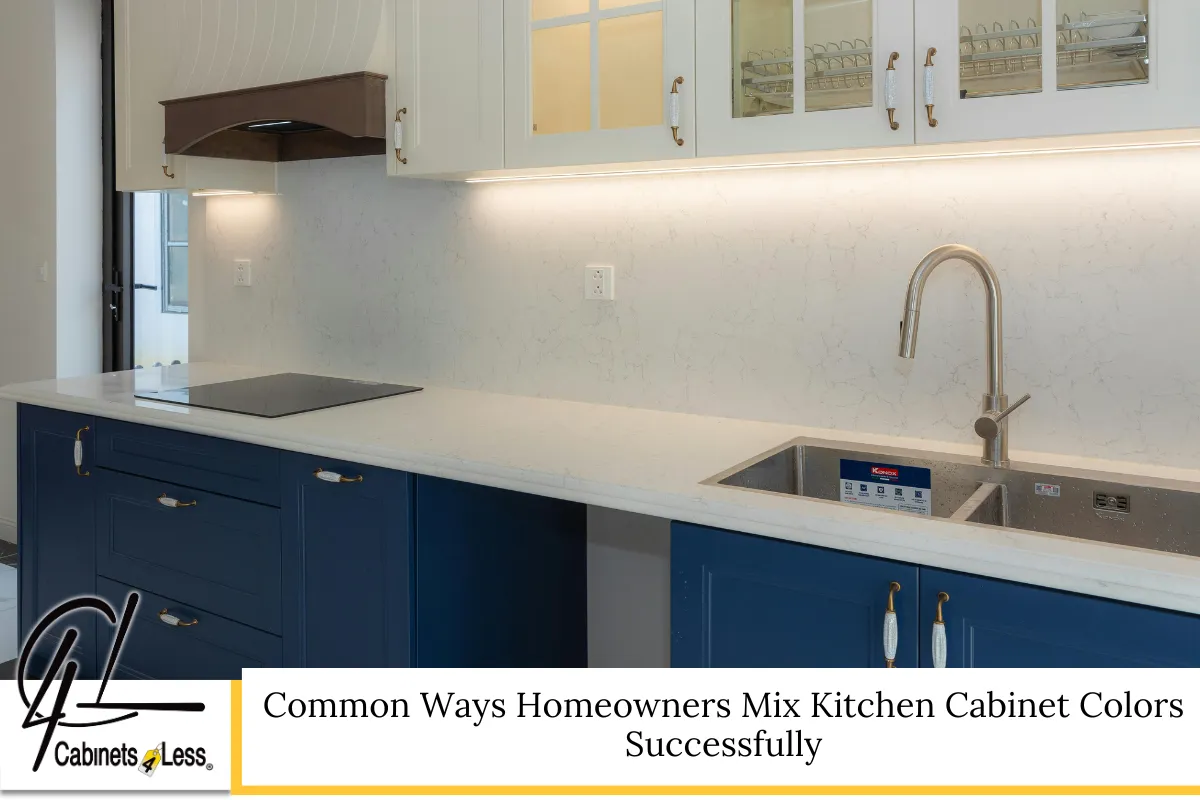
One of the most common approaches is using lighter colors for upper cabinets and darker tones for lower cabinetry. This technique keeps the kitchen feeling open while anchoring the design visually. It’s especially effective in kitchens with limited natural light or lower ceilings.
Upper cabinets in soft whites or light grays prevent visual heaviness, while deeper shades below hide scuffs and wear from daily use. This balance is practical as well as visually appealing.
Statement Kitchen Islands
Kitchen islands provide an ideal opportunity to introduce a second cabinet color. By selecting a contrasting finish for the island cabinetry, homeowners can add character without committing to multiple colors throughout the entire kitchen.
Islands often function as social hubs, so giving them a unique color helps define the space. Whether subtle or bold, island cabinetry adds personality while maintaining cohesion with surrounding kitchen cabinets.
Accent Cabinetry for Feature Areas
Some kitchens benefit from accent cabinetry used sparingly. Tall pantry units, beverage stations, or built-in shelving can feature a distinct color or finish that draws attention without overwhelming the kitchen’s primary palette.
This approach works well for homeowners who want visual interest but prefer a restrained design overall.
Choosing the Right Color Combinations for Kitchens
Neutral Pairings That Stand the Test of Time
Neutral combinations remain popular because they adapt easily to changing trends. Pairing soft white kitchen cabinetry with warm wood tones creates a timeless look that works in both modern and traditional kitchens.
Gray cabinetry, when paired with crisp white or natural finishes, offers versatility without feeling cold. These combinations allow flexibility with countertops, hardware, and flooring choices.
Adding Color Without Overpowering the Space
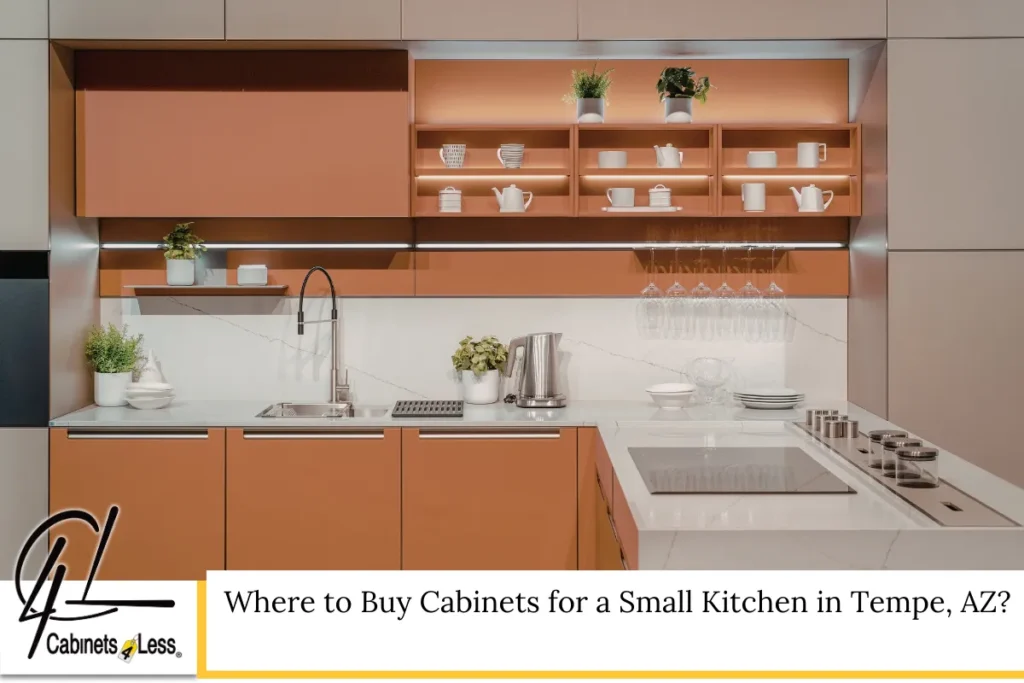
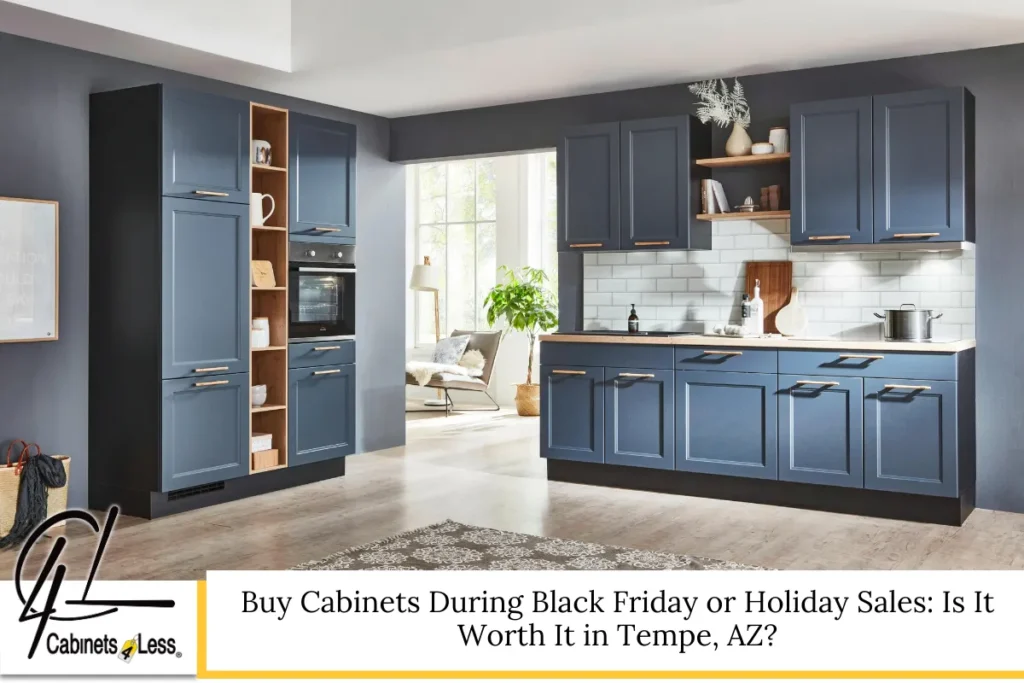
Muted blues, greens, and earth tones are increasingly popular for kitchens seeking subtle color. When balanced with neutral cabinets, these hues add character without dominating the room.
The key is restraint. Introducing one color alongside a neutral base prevents visual clutter and keeps kitchens feeling cohesive.
Avoiding High-Contrast Mistakes
While contrast is important, extreme combinations can feel disjointed if not planned carefully. Bright colors paired with stark whites may look trendy initially but can feel dated over time. Choosing colors with similar undertones helps maintain harmony across kitchen cabinetry.
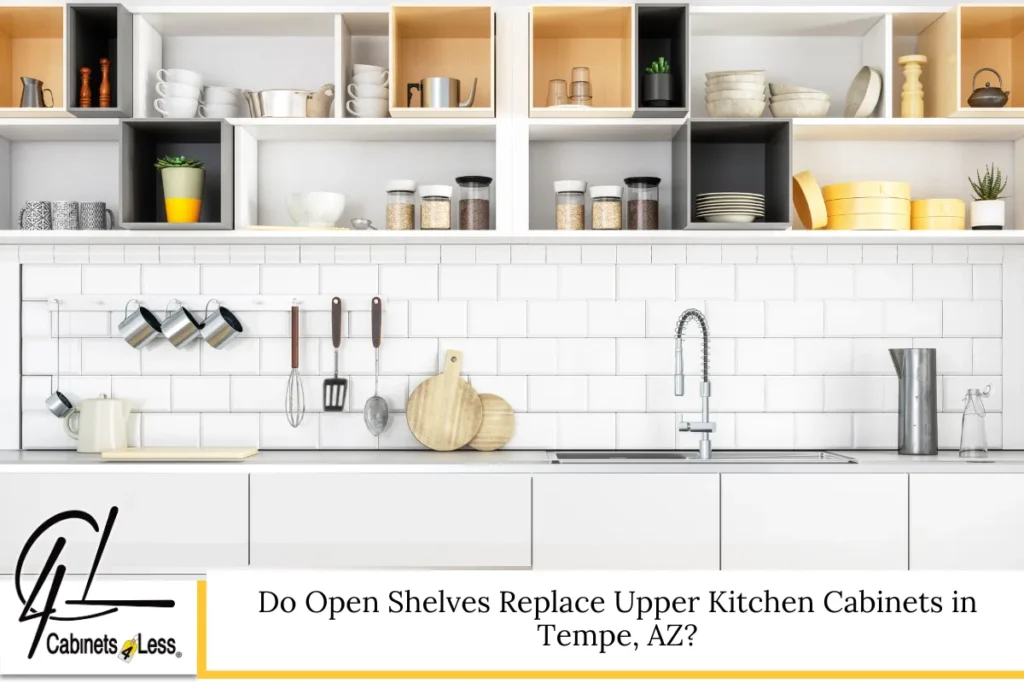
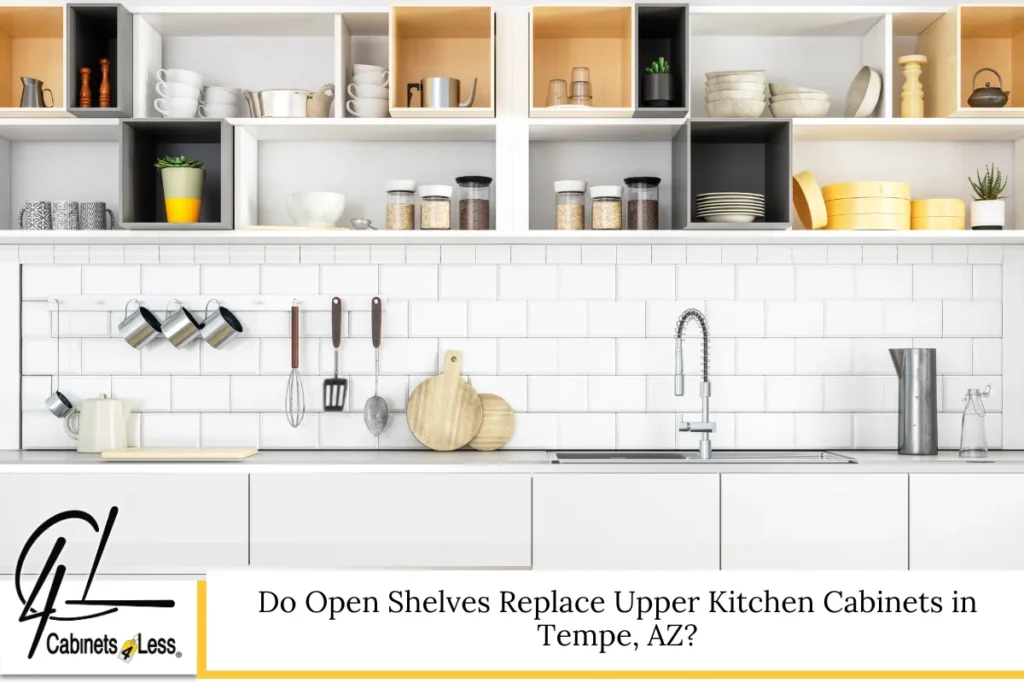
Read Do Open Shelves Replace Upper Kitchen Cabinets in Tempe, AZ?
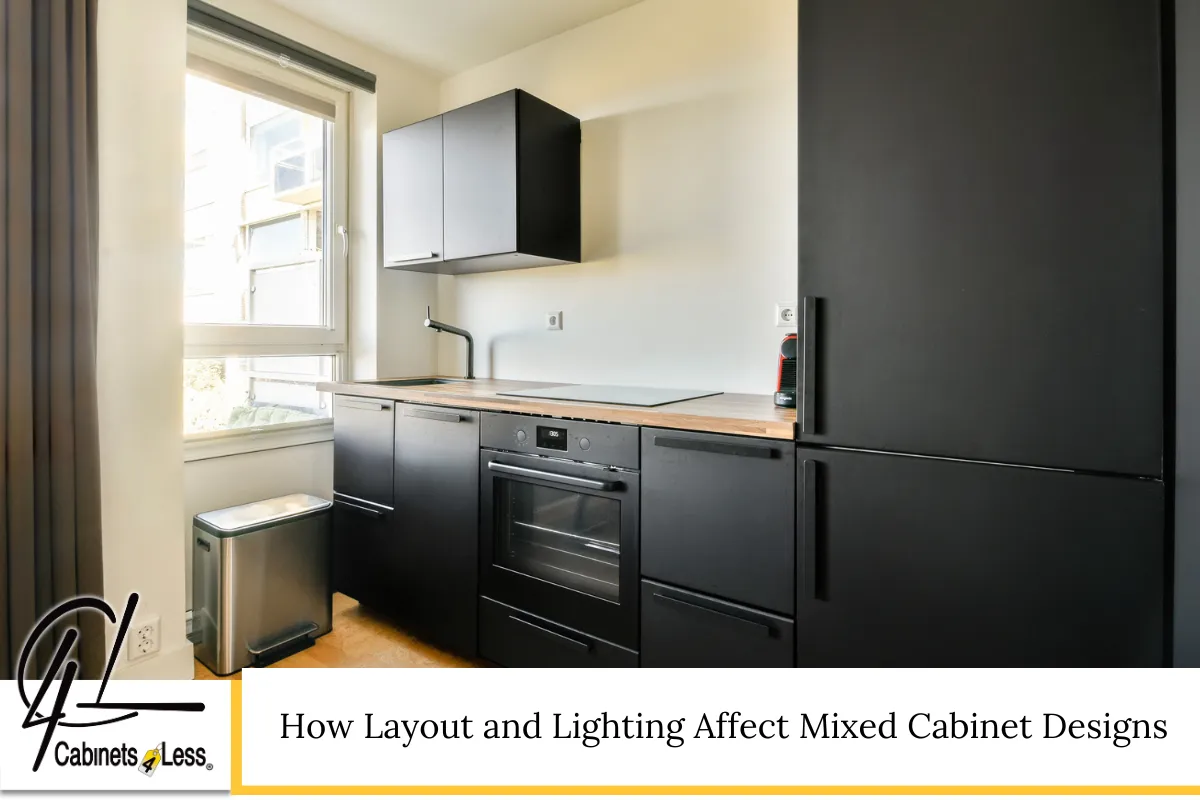
How Layout and Lighting Affect Mixed Cabinet Designs
Small Kitchens and Visual Flow
In compact kitchens, mixed cabinet colors should enhance space rather than fragment it. Light tones on upper cabinetry help maintain openness, while darker lower cabinets provide subtle contrast without shrinking the room.
Limiting the palette to two complementary shades keeps small kitchens cohesive.
Large Kitchens and Zoned Design
Spacious kitchens offer more freedom to experiment. Multiple cabinet colors can define zones such as cooking, storage, and dining prep areas. Large kitchens benefit from layered design choices that prevent the space from feeling empty or monotonous.
The Role of Lighting in Cabinet Color Perception
Lighting dramatically impacts how cabinet colors appear. Natural light softens darker cabinetry, while artificial lighting can intensify or mute colors depending on temperature. Warm lighting enhances wood tones, while cooler lighting sharpens whites and grays.
Testing cabinet samples under actual kitchen lighting conditions is essential before finalizing color selections.
Materials, Finishes, and Their Impact on Color Mixing
Cabinet color isn’t just about paint—it’s also about material and finish. Matte finishes create a soft, modern feel, while glossy surfaces reflect light and highlight color contrasts.
Wood grain cabinetry introduces natural variation that pairs well with painted cabinets. Mixing painted kitchen cabinets with natural finishes adds warmth and texture, preventing kitchens from feeling overly uniform.
Durability should also factor into finish selection. High-traffic kitchens benefit from finishes that resist fingerprints and wear while maintaining their appearance over time.
Hardware as the Unifying Element in Mixed Kitchens
Cabinet hardware plays a critical role in tying mixed colors together. Consistent hardware finishes—such as brushed nickel or matte black—create continuity across different cabinet colors.
Hardware placement and style should complement the overall kitchen design. Simple hardware often works best in kitchens with bold cabinet colors, while decorative hardware can enhance neutral cabinetry.
This subtle detail often determines whether mixed cabinetry feels intentional or accidental.
Trends Influencing Kitchen Cabinet Color Choices
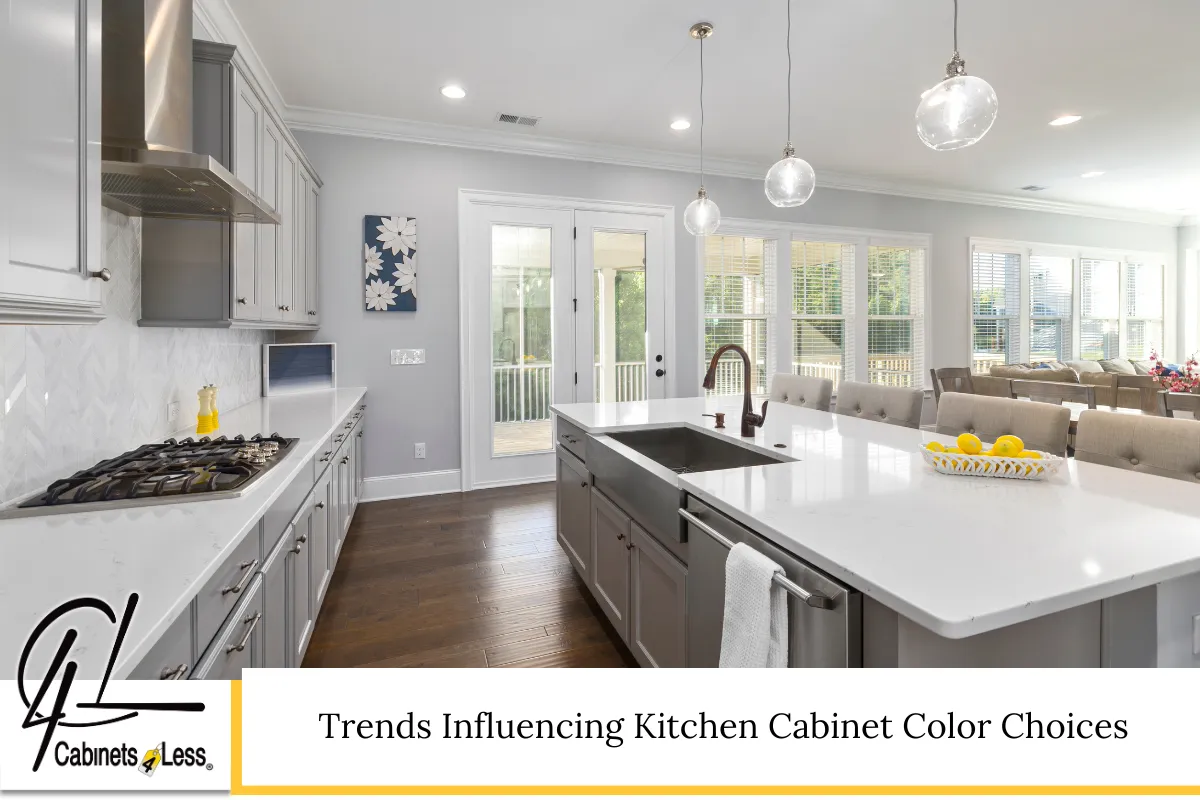
Current kitchen design trends emphasize personalization and balance. Homeowners are moving away from stark all-white kitchens toward warmer, more inviting spaces.
Two-tone kitchen cabinets remain popular because they allow creativity without sacrificing longevity. Natural finishes, soft neutrals, and muted colors dominate modern kitchens, reflecting a shift toward comfort and sustainability.
While trends change, thoughtful color combinations rooted in functionality and balance tend to endure.
Long-Term Considerations Before Mixing Cabinet Colors
Before committing to mixed cabinet colors, homeowners should consider how the kitchen will age. Will the color combination still feel appealing in ten years? Will it adapt to future updates like new countertops or flooring?
Resale value is another factor. While bold designs can attract attention, balanced and cohesive kitchens appeal to a broader audience. Choosing classic base colors with subtle accents often provides the best long-term results.
Making Mixed Cabinetry Feel Cohesive, Not Chaotic
Successful kitchens rely on repetition and balance. Repeating colors in small details—such as trim, open shelving, or décor—reinforces cohesion.
Keeping the color palette limited prevents visual overload. Most kitchens benefit from no more than two main cabinet colors, supported by complementary tones in surrounding elements.
Planning is essential. Thoughtful design ensures mixed kitchen cabinets enhance the space rather than compete within it.
Final Thoughts on Mixing Cabinet Colors in Kitchens
Mixing cabinet colors is no longer a design risk—it’s a proven strategy for creating kitchens that feel layered, functional, and visually engaging. When homeowners understand balance, lighting, and layout, mixed cabinetry becomes a powerful design tool rather than a gamble.
The most successful kitchens use contrast with intention, allowing kitchen cabinets to define space, support daily use, and reflect personal style without overwhelming the room.
Kitchen Cabinets in Tempe, AZ – C4L Cabinetry
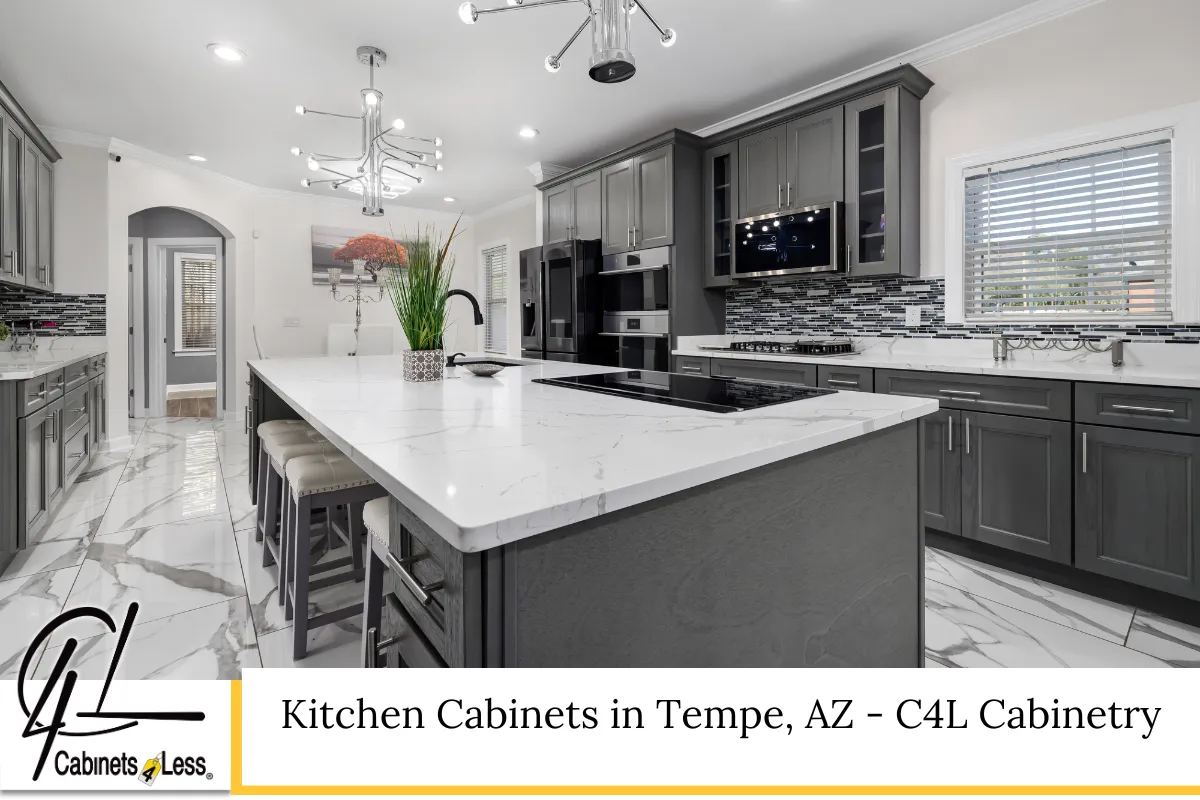
C4L Cabinetry helps homeowners transform kitchens with thoughtfully designed kitchen cabinets that balance style, durability, and function. Located in Tempe, Arizona, C4L Cabinetry specializes in creating kitchen cabinetry solutions that fit both modern and traditional kitchens. Whether you’re exploring mixed cabinet colors or planning a complete kitchen upgrade, our experienced team provides guidance from design to installation. With a focus on quality materials and precise craftsmanship, C4L Cabinetry ensures your kitchen cabinets enhance daily living and long-term value. Call (480) 758-5829 or visit our Tempe showroom to explore options, request a consultation, or fill out a contact form to start designing a kitchen that truly works for your home.
Frequently Asked Questions
Can mixed cabinet colors work in traditional kitchens?
Yes, mixed cabinet colors work well in traditional kitchens when the palette remains classic. Pairing neutral painted cabinets with natural wood tones preserves timeless appeal while adding depth. Traditional kitchens benefit from subtle contrasts rather than bold color shifts.
How many cabinet colors are ideal for one kitchen?
Most kitchens look best with two cabinet colors. Adding more can feel cluttered unless the space is large and carefully planned. Limiting colors helps maintain cohesion and visual balance across the kitchen.
Should cabinet colors match appliances?
Cabinet colors don’t need to match appliances, but they should complement them. Stainless steel works with nearly all finishes, while darker appliances pair best with warm or neutral cabinetry to avoid stark contrast.
Do mixed cabinets increase kitchen renovation costs?
Mixing cabinet colors doesn’t necessarily increase costs. The price depends more on materials, finishes, and layout than color variety. Proper planning helps control costs while achieving the desired look.
Can mixed cabinet colors improve kitchen resale value?
When done tastefully, mixed cabinet colors can enhance resale appeal. Balanced designs with neutral bases and subtle contrast attract buyers more than overly bold or trendy color choices.
Disclaimer: This article is for general informational purposes only and does not substitute professional design or construction advice. Always consult qualified kitchen design professionals for recommendations tailored to your specific space and needs.
Read Buy Cabinets in Tempe, AZ: How Do I Choose the Right Cabinet Layout for My Kitchen?